Experience the music of the cosmos—where the silence of space meets the symphony of stars.

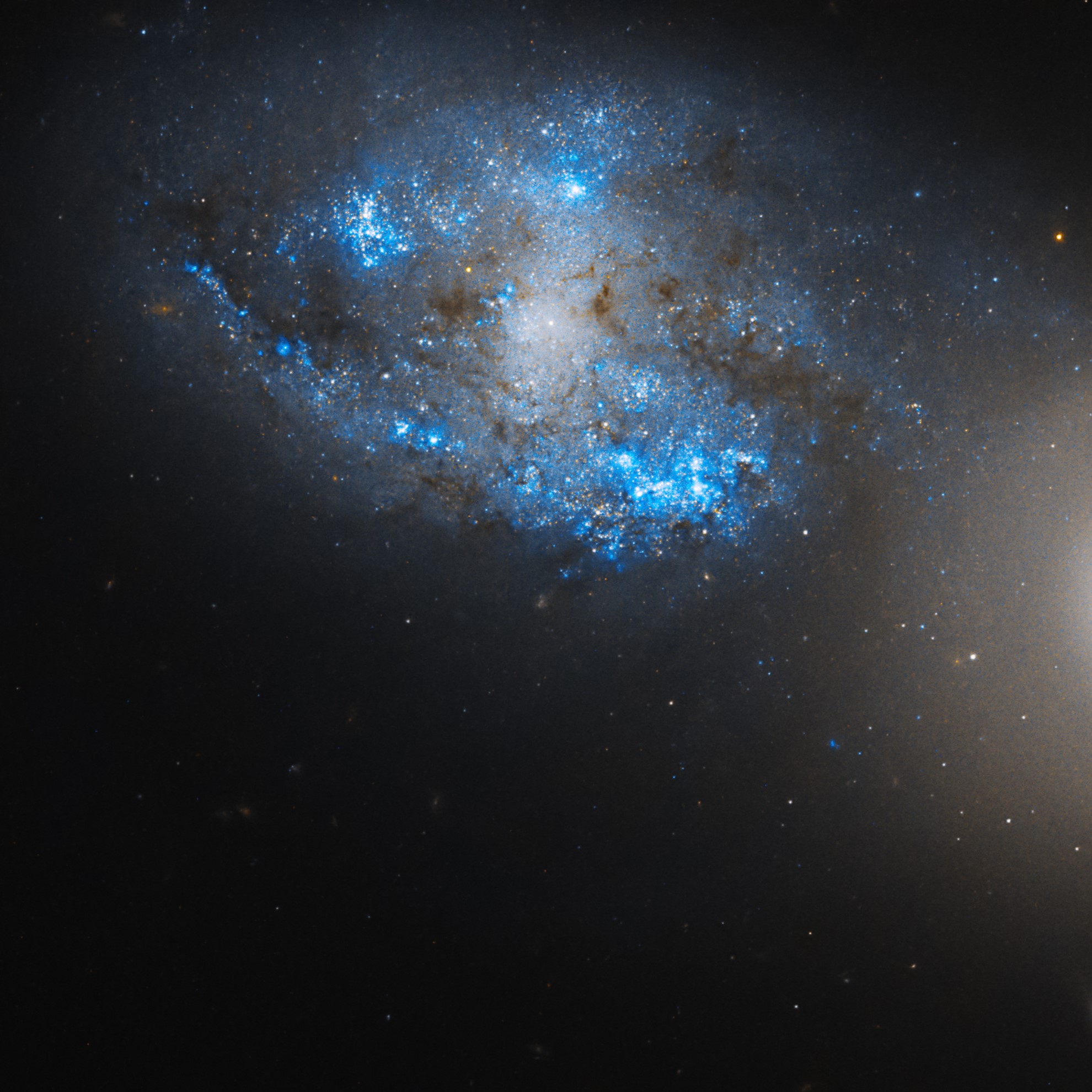
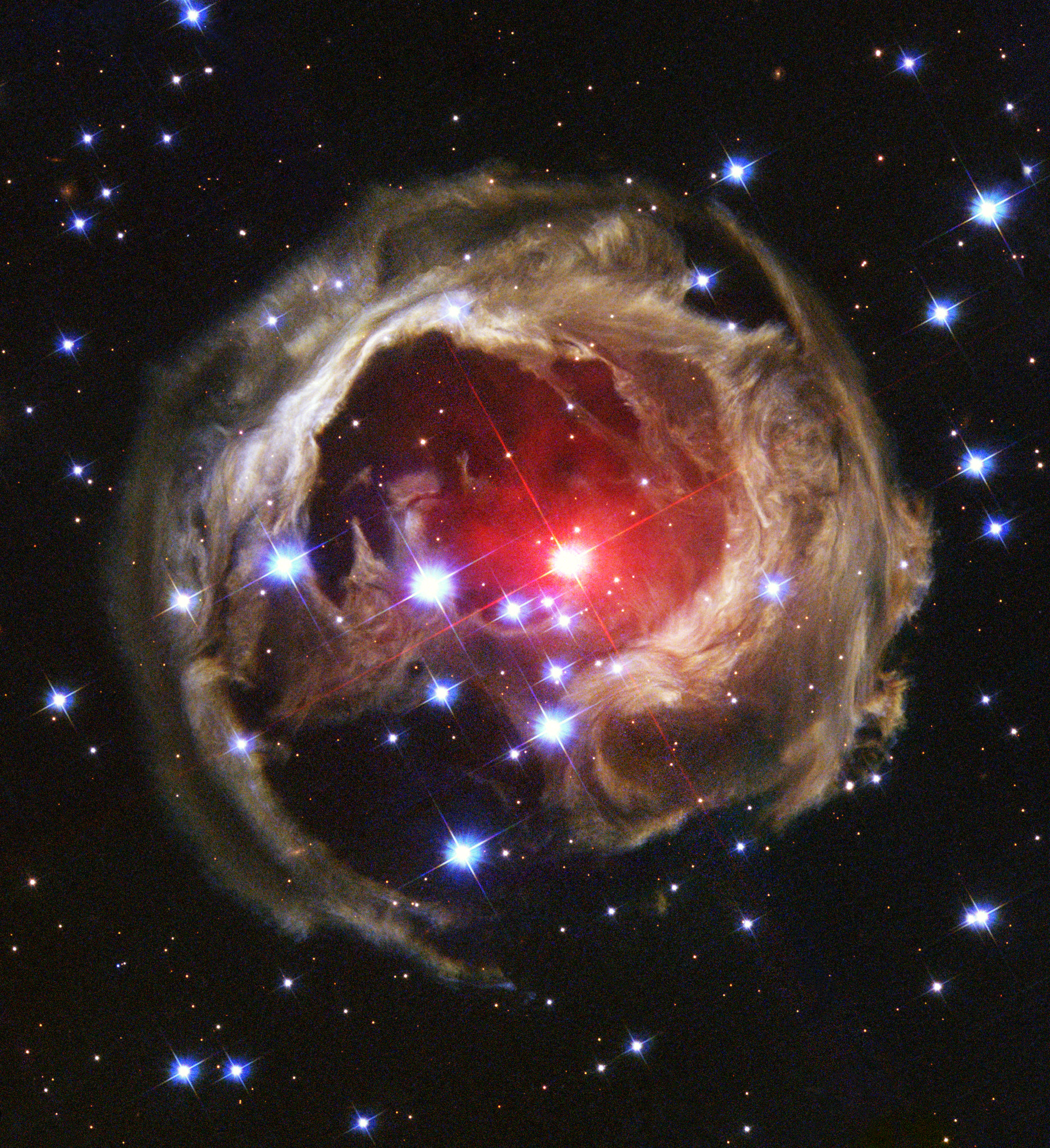
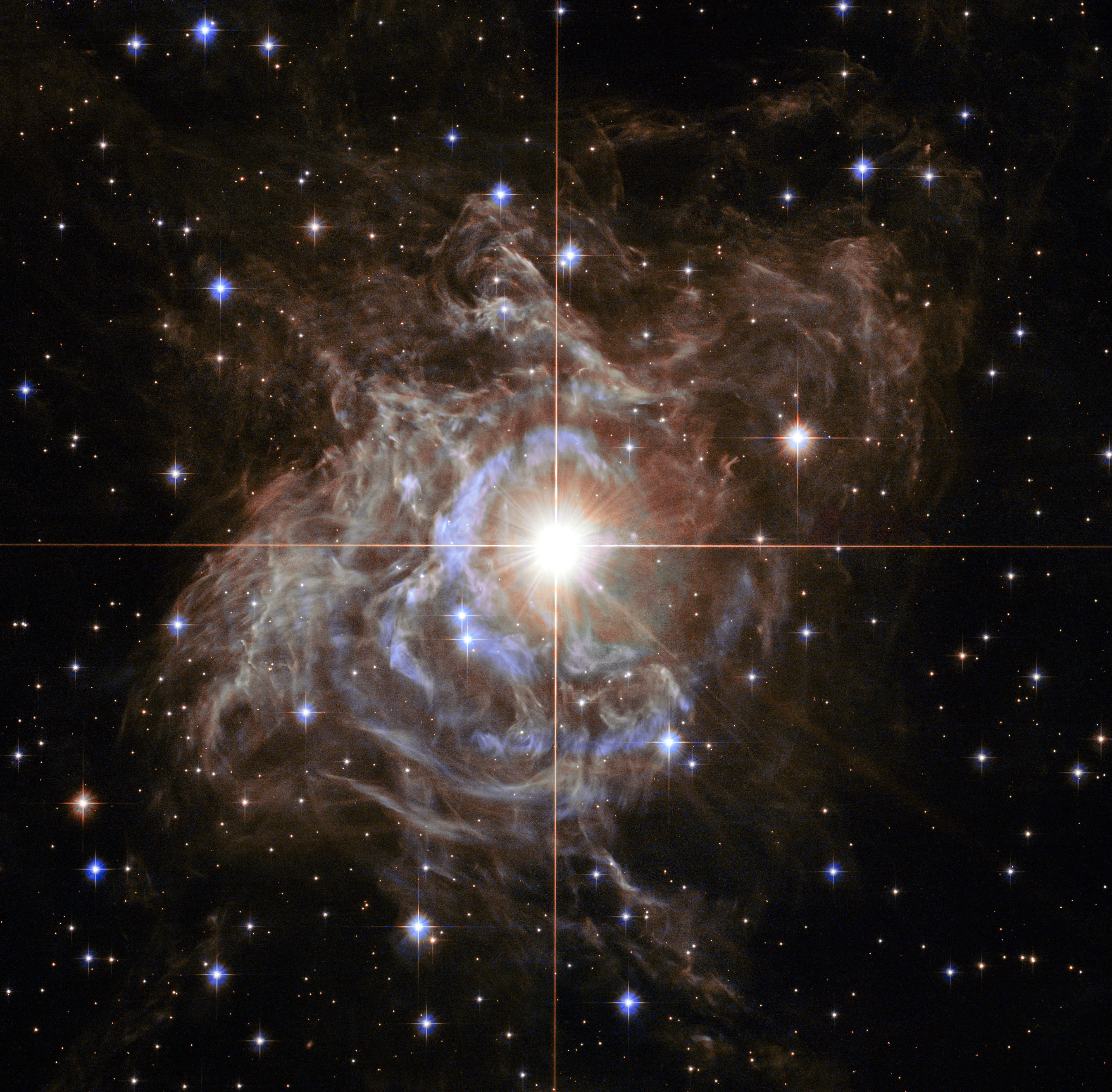
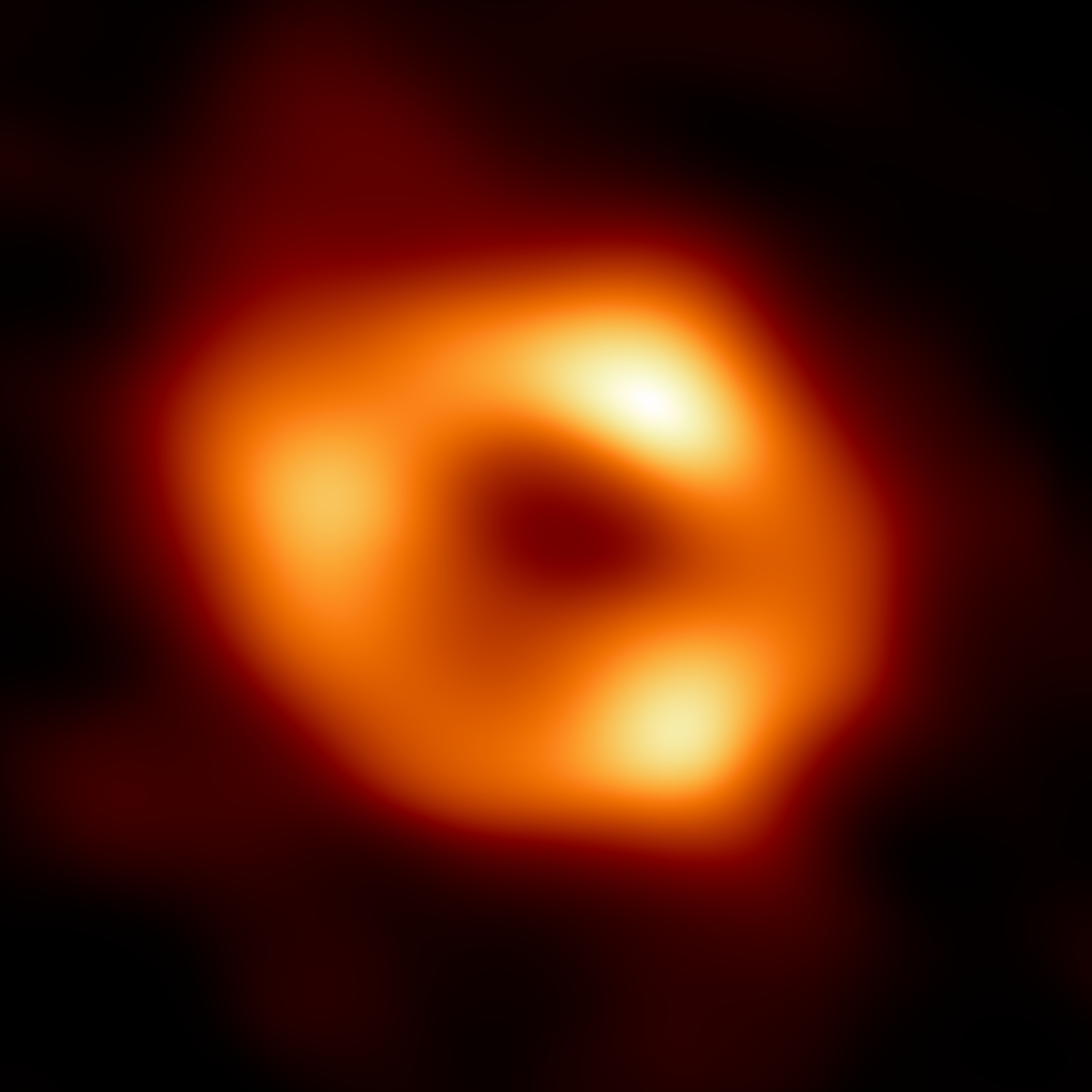
Have you ever imagined the music of the cosmos? While telescopes like Hubble reveal the universe through breathtaking images, there's another way to experience these celestial wonders—through sound. Using data sonification, the same data that creates stunning visuals is transformed into immersive soundscapes. By assigning pitches and volumes to elements such as brightness and position, we bring the silent beauty of space to life. Although sound doesn't travel in the vacuum of space, sonification offers a unique way to explore and understand astronomical data. This approach also opens up the wonders of the universe to everyone, including those in the blind and visually impaired communities, allowing them to 'listen' to the stars and beyond.

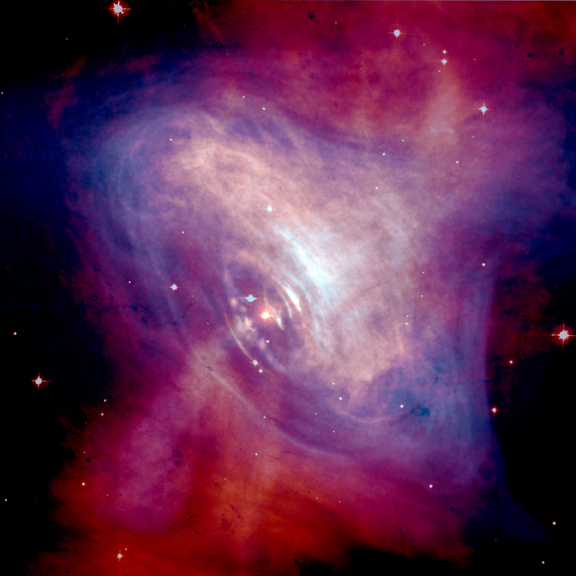
Crab Nebula

This sonification of the Crab Nebula captures the remnants of a supernova from 1054 A.D., powered by a rapidly spinning neutron star. As the sound pans left to right, different wavelengths are paired with distinct instrument families: X-rays (blue and white) are represented by brass, optical light (purple) by strings, and infrared (pink) by woodwinds. Higher-pitched notes correspond to light at the top of the image, while brightness increases volume, translating the nebula's jets and winds into a symphony of sound.

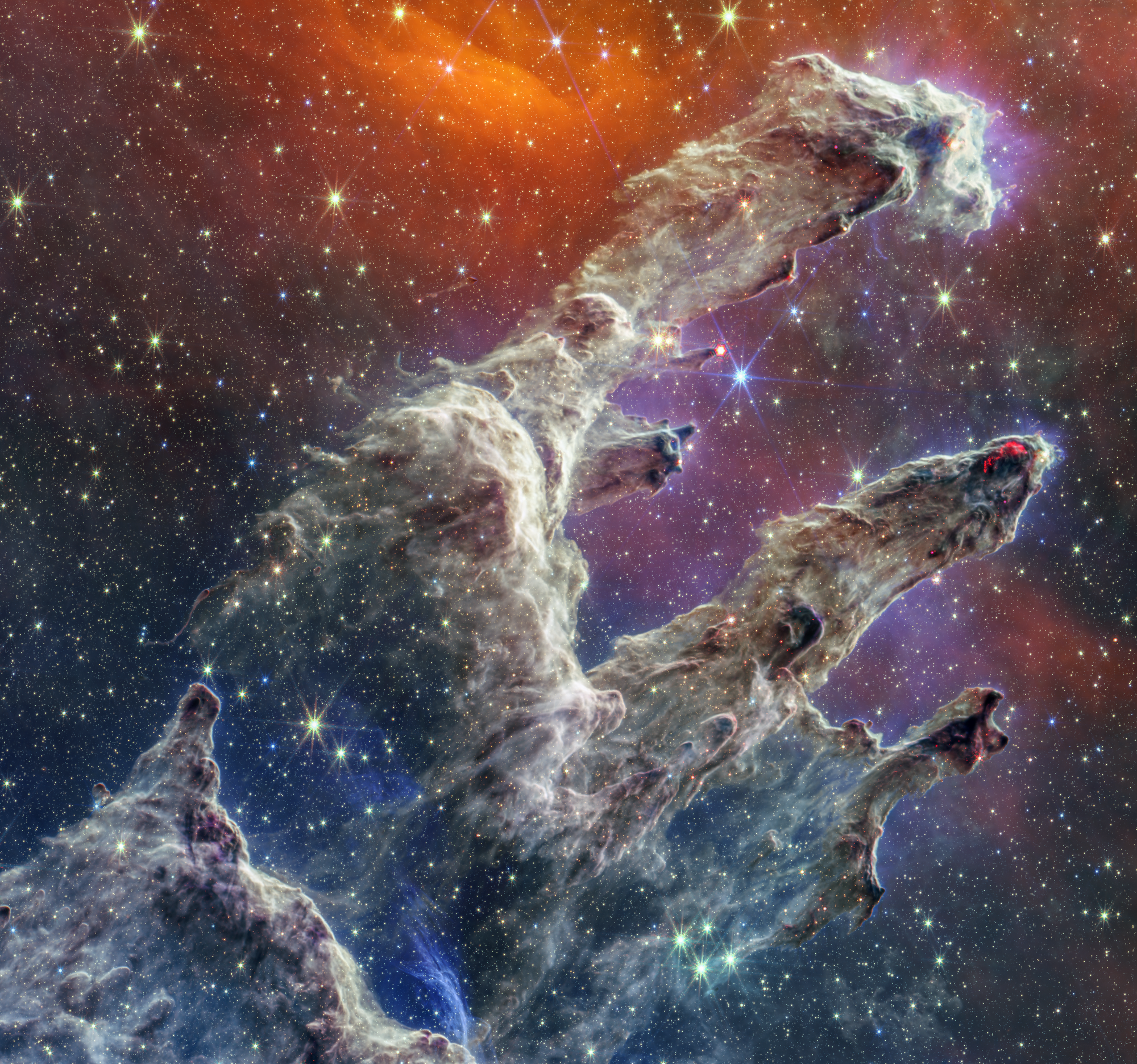
The Iconic Pillars of Creation

This sonification of the Eagle Nebula’s "Pillars of Creation" translates star-forming regions into sound. The towers of gas and dust, stretching 4 to 5 light-years, are sonified as sound moves left to right. Pitch is determined by the vertical position of light in the image. The iconic structure of the pillars is reflected as sweeping tones that rise and fall, emphasizing their shape. Both visible and X-ray data are incorporated, offering a sonic journey through this birthplace of stars.

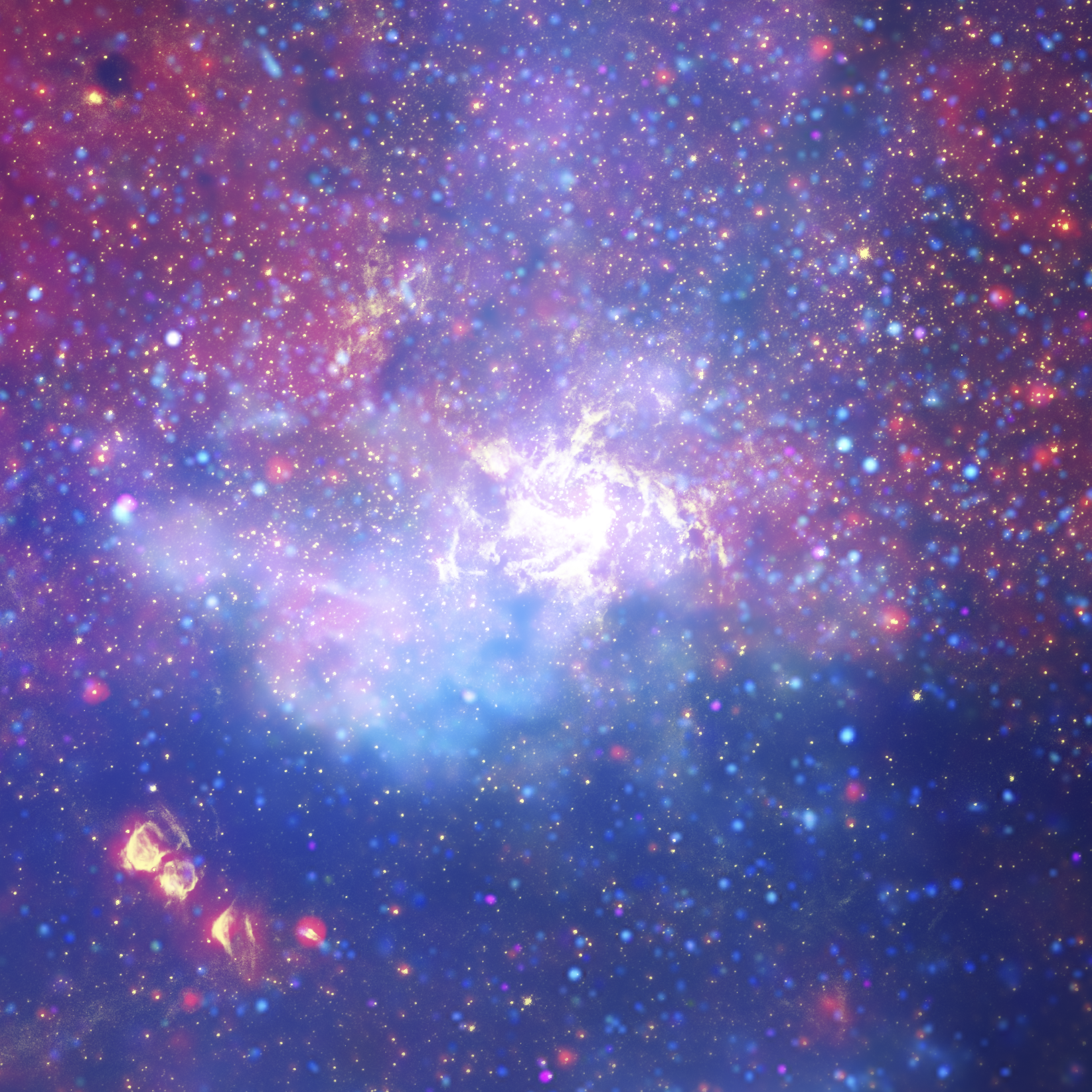
Milky Way Center

This sonification of the Milky Way's galactic center captures the bustling activity around a 4-million-solar-mass black hole. Combining data from Hubble, Chandra, and Spitzer, the sound scans from left to right. Higher-pitched tones represent light at the top of the image, and volume increases with brightness. Stars and compact sources are heard as individual notes, while gas and dust clouds form a continuous drone. A crescendo occurs at the lower right, where the supermassive black hole and the brightest gas clouds reside, marking the intense activity near the core.